Introduction
Writing a successful blog is not simply about choosing an interesting topic and putting words on a page. A good blog begins with a clear understanding of who will read it. These people are known as the target audience. The target audience is the particular group of people a blog is intended to reach, inform, entertain, or influence.
Understanding the target audience is one of the most important steps in blog writing because different groups of people have different interests, needs, levels of knowledge, problems, expectations, and ways of communicating. An article written for school students will be very different from an article written for business professionals. Similarly, a blog for beginners will require a different writing style from a blog intended for experts.
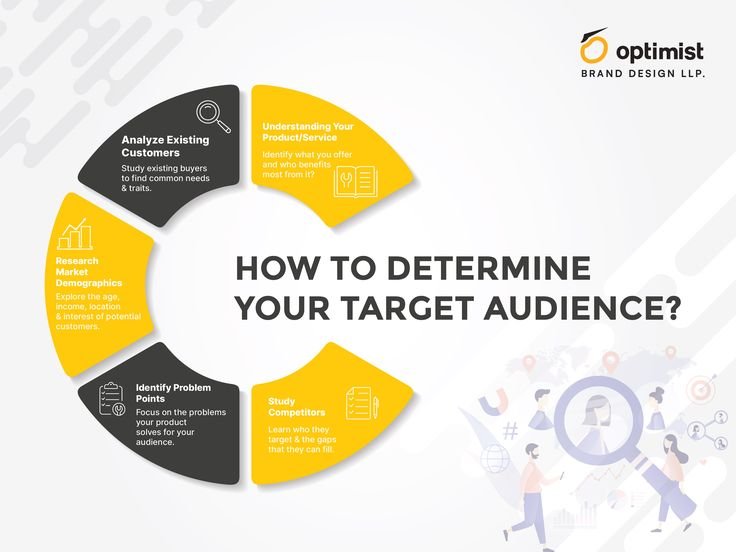
Before writing a blog, a writer should therefore spend time researching and understanding the intended readers. This process helps the writer choose appropriate topics, language, tone, examples, length, and structure. It also increases the possibility that readers will find the content useful and engaging.
1. Define the Purpose of the Blog
The first step in identifying a target audience is to understand why the blog is being written.
A blog may have many purposes. It might educate readers, provide entertainment, solve problems, promote a business, share personal experiences, or build professional authority.
For example, suppose a person wants to create a blog about digital photography. The target audience will depend partly on the purpose of the blog. If the purpose is to teach photography to complete beginners, the audience will consist mainly of people who are new to cameras and photography. If the purpose is to discuss advanced professional photography techniques, the audience will be experienced photographers.
Therefore, the purpose of the blog and the target audience are closely connected.
Before beginning, the writer should ask questions such as:
- Why am I creating this blog?
- What do I want readers to learn?
- What problem am I trying to solve?
- What type of person would benefit most from this content?
- What should readers do or understand after reading?
Answering these questions provides a foundation for audience research.
2. Identify Basic Demographic Characteristics
After defining the purpose, the writer should identify the basic characteristics of the intended audience. These are commonly called demographics.
Important demographic characteristics can include:
- Age
- Gender
- Education
- Occupation
- Income level
- Location
- Language
- Family status
Not every blog needs all of these details. The relevant characteristics depend on the subject.
For example, a blog about university scholarships might primarily target students between the ages of 17 and 25. A blog about retirement planning may target older adults. A blog about professional software development may target programmers and technology professionals.
Demographic information helps a writer understand the general circumstances of readers and create content that is appropriate for them.
3. Understand the Audience’s Interests
Demographics alone are not enough. Two people of the same age and from the same city can have completely different interests.
Therefore, writers should also investigate what their audience cares about.
For example, if the target audience consists of young people interested in fitness, they might be interested in topics such as exercise routines, healthy food, sports, motivation, and lifestyle habits.
Understanding interests helps writers choose topics that are relevant and attractive.
A writer can discover audience interests by looking at:
- Popular articles in the same field
- Frequently searched questions
- Social media discussions
- Online communities
- Comments on existing blogs
- Questions asked by customers or readers
- Popular videos and podcasts related to the subject
The goal is to discover what people actually want to read rather than simply writing about what the writer personally finds interesting.
4. Identify the Audience’s Problems and Needs
One of the most effective ways to understand a target audience is to identify their problems, challenges, and needs.
People often search for blog articles because they have a question or problem that they want to solve.
For example, a student might search for:
- How to prepare for an examination
- How to improve concentration
- How to write an assignment
- How to manage study time
A beginner photographer might search for:
- How to use manual camera settings
- How to take better photographs
- Which camera to buy
- How to edit photographs
These searches reveal what people need.
A strong blog addresses these needs directly. Instead of asking only, “What do I want to write about?”, the writer should also ask, “What does my audience need to know?”
When content solves a genuine problem, it becomes more useful and valuable.
5. Determine the Audience’s Level of Knowledge
Another important consideration is the reader’s existing knowledge of the subject.
A blog can be aimed at:
- Complete beginners
- Intermediate learners
- Advanced users
- Professionals
- Experts
The same subject may need to be explained very differently depending on the audience.
For example, imagine writing about artificial intelligence. A beginner may need an explanation of basic concepts such as what AI means and how machine learning works. A professional data scientist may already understand these concepts and instead want information about advanced algorithms or research developments.
If a writer uses highly technical terminology with beginners, readers may become confused. If an article aimed at experts explains extremely basic concepts, experienced readers may find it boring.
Therefore, determining the audience’s knowledge level helps the writer choose the right level of complexity.
6. Create a Reader Persona
A useful technique for understanding a target audience is to create a reader persona.
A reader persona is a fictional but realistic description of a typical member of the target audience.
For example:
Name: Anjali
Age: 21
Occupation: University student
Interests: Technology, education, social media
Problem: Has difficulty managing study time
Goal: Wants to improve academic performance
Knowledge level: Beginner
Preferred content: Short explanations, examples, practical tips
This persona is not necessarily a real individual. It represents the type of reader the blog is intended to help.
Creating a persona makes the audience easier to imagine. While writing, the author can ask, “Would this article be useful to Anjali?” This encourages the writer to focus on the reader rather than writing only from a personal perspective.
7. Research Search Behaviour
Another important step is understanding what the audience searches for online.
People often use search engines to find answers to specific questions. Studying these questions can reveal what subjects are important to the target audience.
For example, someone planning a blog about healthy cooking might discover that people frequently search for questions such as:
- What are easy healthy meals?
- How can I prepare healthy food quickly?
- What foods are high in protein?
- How can I plan meals for a week?
These questions can become blog topics.
Search behaviour also helps writers understand the language that readers use. Instead of using complicated terminology, a writer can use familiar phrases that reflect how the audience actually describes a problem.
8. Study Competitors and Similar Blogs
Looking at existing blogs in the same field can provide valuable information.
A writer should examine:
- Which topics are popular
- Which articles receive comments
- Which posts are frequently shared
- How competitors structure their articles
- What questions readers ask
- Which subjects appear to be missing or poorly explained
This does not mean copying another writer’s work. Instead, it means learning about the existing information environment.
For example, if many technology blogs explain advanced programming but very few explain programming basics clearly, there may be an opportunity to create a beginner-friendly blog.
Studying competitors can therefore help identify gaps in existing content.
9. Use Social Media and Online Communities
Social media and online communities can provide direct insight into audience interests.
People often discuss their problems, ask questions, share recommendations, and express opinions online.
A writer can observe discussions on relevant platforms and identify recurring questions or concerns.
For example, a travel blogger might examine discussions where travelers ask about affordable destinations, transportation, accommodation, food, and safety. These discussions can provide ideas for future articles.
Online communities are especially useful because they show how people naturally communicate. This can help the writer understand the vocabulary, concerns, and expectations of the target audience.
10. Understand the Audience’s Preferred Content Format
Not all audiences prefer information in the same format.
Some readers enjoy long, detailed articles. Others prefer short, practical guides. Some audiences may respond particularly well to images, charts, videos, infographics, or step-by-step instructions.
For example, a technical audience may appreciate diagrams and code examples. A travel audience may be interested in photographs, maps, and itineraries. A student audience may prefer summaries, examples, and revision points.
Understanding content preferences helps the writer choose an appropriate format.
However, the subject itself should also determine the format. A complicated subject may require a longer explanation even if the audience generally prefers short content.
11. Choose the Appropriate Tone and Language
Once the writer understands the audience, they can choose the right tone of voice.
Tone refers to the way the writer communicates.
A blog for children might use simple, friendly language. A professional business blog may use a formal and confident tone. A personal lifestyle blog may use a conversational style.
For example, a beginner-oriented technology article might say:
“Don’t worry if you have never used this software before. We will go through the process step by step.”
A technical professional article might instead use specialized terminology and assume prior knowledge.
The important principle is that the writer should communicate in a way that feels natural and understandable to the intended readers.
12. Understand the Audience’s Goals
People read blogs for different reasons. Some want to learn something. Others want to solve a problem, make a decision, become entertained, or discover new ideas.
The writer should identify the audience’s main goals.
For example, visitors to a product review blog may want to decide whether they should purchase a product. Readers of a study blog may want to improve their examination results. Visitors to a travel blog may want to plan a vacation.
Once the goal is clear, the blog can be structured around helping readers achieve it.
13. Identify Common Questions
A simple but powerful method of audience research is to make a list of the questions the audience is likely to ask.
For example, if the blog is about learning English, readers might ask:
- How can I improve my vocabulary?
- How can I speak English confidently?
- How can I improve pronunciation?
- What are the best ways to practise grammar?
These questions can be transformed into individual blog posts.
Answering real questions makes the blog more reader-focused and increases its practical value.
14. Collect Feedback
Audience research should not stop after publishing a blog.
Once articles are available, writers can study reader feedback to understand whether the content is meeting audience needs.
Useful feedback may come from:
- Comments
- Emails
- Surveys
- Social media responses
- Website analytics
- Questions from readers
- Newsletter responses
For example, if many readers ask for more examples after reading an article, the writer can include more examples in future posts.
Feedback turns blogging into an ongoing learning process.
15. Use Website Analytics
For established blogs, website analytics can provide useful information about readers.
Analytics can show information such as:
- Which articles receive the most visitors
- How long people spend reading pages
- Where visitors come from
- Which topics attract the most interest
- Which pages people leave quickly
- What devices visitors use
This information helps bloggers understand actual reader behaviour.
For example, if articles about beginner-level topics consistently receive more engagement than advanced articles, the writer may discover that the audience is primarily made up of beginners.
Analytics should not replace human understanding, but they can provide valuable evidence.
16. Segment the Audience
Sometimes a blog has more than one type of reader. In such cases, the audience can be divided into segments.
For example, a technology blog might have:
- Beginners
- Students
- Professionals
- Business owners
Each group may have different needs.
The writer can create different categories or content series for different segments. This allows the blog to remain useful to a broader audience without making every article unnecessarily general.
17. Match Content to the Audience
After gathering all this information, the writer should use it to make practical decisions.
Audience research should influence:
- Topic selection
- Article structure
- Writing style
- Vocabulary
- Examples
- Length
- Visual content
- Level of detail
- Calls to action
For example, if the target audience is